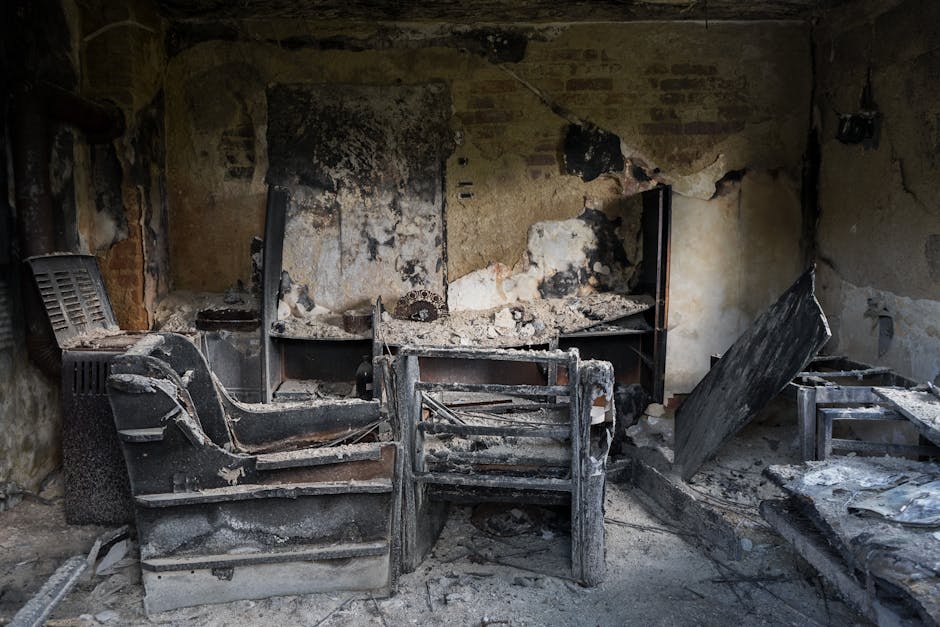
Case: cleared a cluttered Bethnal Green flat in 6 hours

Six hours sounds ambitious when you're standing in a Bethnal Green flat that feels more packed than lived in. Boxes in the hallway, old furniture in the front room, random bits in the kitchen, and that one spare bedroom that quietly became a storage unit. This case study looks at Case: cleared a cluttered Bethnal Green flat in 6 hours and, more importantly, what made it possible, what can slow a job down, and how to approach a flat clearance in a way that feels calm rather than chaotic.
If you're weighing up a fast turnaround for a cluttered flat clearance, or just trying to understand what a proper same-day clearance actually involves, this guide breaks it down in plain English. You'll get the workflow, the common mistakes, the compliance basics, a comparison of approaches, and a practical checklist you can use straight away. No fluff. Just the sort of detail that helps you make a sensible decision.
Why Case: cleared a cluttered Bethnal Green flat in 6 hours Matters
A fast flat clearance is not just about speed. In a place like Bethnal Green, where many homes are compact, stair access can be awkward, parking can be tight, and neighbours are close by, the difference between a smooth clearance and a stressful one is often planning. A six-hour job shows what's possible when the scope is clear and the team is prepared.
It also matters because clutter rarely stays "just clutter" for long. It starts affecting sleep, cleaning routines, fire safety, moving plans, tenancy deadlines, probate timelines, or the simple ability to use the rooms you're paying for. Let's face it, once a flat has reached that stage, the issue is no longer storage. It's space, safety, and mental bandwidth.
From a practical point of view, this kind of case also highlights the value of a structured clearance rather than a vague "we'll just see how it goes" approach. That mindset can work for a small cupboard. It's not the one you want for a whole flat.
If you're comparing services, it helps to understand how flat clearance differs from broader flat clearance and more general home clearance. A flat often needs more careful access planning, more item-by-item decisions, and a quicker handoff between sorting, loading, and disposal.
How Case: cleared a cluttered Bethnal Green flat in 6 hours Works
In most real-world cases, a six-hour clearance only happens when the job is broken into stages. That sounds obvious, but you'd be surprised how often people assume the whole thing is just "lift and load". It's not. Not really.
A typical fast clearance follows a rhythm:
- Initial assessment: The team checks access, item volume, likely waste categories, and any fragile or high-priority items.
- Sorting plan: Keep, donate, recycle, dispose. Even if the plan is simple, it prevents decision fatigue halfway through the day.
- Safe removal: Large furniture comes out first, then bags, then mixed items and loose waste.
- Separation of materials: Reusable furniture, recyclables, and general waste are separated where possible.
- Final sweep: The flat is checked, remaining debris is gathered, and the space is left ready for its next use.
The "six hours" part is only realistic if the property is accessible, the team is equipped, and the client is ready to make decisions quickly. If someone spends twenty minutes debating a broken chair from 2009, the clock starts to wobble. Fair enough, it happens. But time is time.
Where items are bulky or awkward, related services may matter too. For example, a flat can include old beds, wardrobes, desks, or white goods that need separate handling. In that case, furniture clearance or furniture disposal may form part of the wider job, especially if you want usable items diverted from the general waste stream.
A good clearance team also considers safety. Narrow stairwells, shared hallways, and basement access can change the whole pace of the day. A steady team with the right approach will move in a controlled way rather than rushing and risking damage to walls, doors, or floors. Speed matters, but controlled speed matters more.
Key Benefits and Practical Advantages
The biggest benefit of a quick flat clearance is obvious: you get your space back. But there's usually more going on than that.
- Less stress: A short, clearly managed clearance reduces the build-up of decisions and mess.
- Better room use: Bedrooms, living rooms, and hallways become functional again.
- Cleaner handover: Useful for landlords, agents, tenants, family members, and people preparing a sale or move.
- Safer access: Clear floors and hallways reduce trip hazards and make cleaning easier.
- Faster progress: One visit can resolve what might otherwise drag on for weeks.
- More reuse and recycling potential: Items can be separated properly rather than thrown into one mixed pile.
One subtle advantage is confidence. Once the flat is cleared, people usually feel a little lighter, a bit more in control. You notice it in the room itself too. The echo changes. The light gets in. Small thing, but it matters.
There's also a commercial side to it. If you're a landlord or property manager, a same-day or six-hour clearance can reduce vacancy delays. If you're helping a relative, it can make a hard week a little easier because the practical part is over quickly.
Expert summary: The best clearance jobs are not the fastest by accident; they are the fastest because the team has already planned access, sorting, item handling, and disposal before the first bag leaves the flat.
Who This Is For and When It Makes Sense
This kind of service makes sense for a lot of people, but especially when time, access, or emotional energy is limited.
You may need a fast Bethnal Green flat clearance if you are:
- moving out at short notice
- dealing with a tenancy end or inspection
- sorting a probate property
- helping a family member who can't clear the flat themselves
- dealing with long-term clutter that has become overwhelming
- preparing a property for sale or letting
- looking to reclaim a room before decorating or refurbishing
It also makes sense where a flat has mixed contents. A few chairs, a bed base, boxes in the wardrobe, old books, and loose household waste can turn into a surprisingly heavy job. That's when a professional team is often more efficient than trying to do it over several evenings with a borrowed van and too much optimism.
If the property is larger, or if the project has more than one room, you might also want to compare this with house clearance or even loft clearance if the problem has spread into storage spaces. Different property types need different tactics, and that's normal.
Step-by-Step Guidance
Here's the practical version. If you want a clearance to happen in around six hours, the groundwork matters almost as much as the removal itself.
1. Walk the property room by room
Start with a simple room-by-room assessment. Don't judge the whole flat at once. Just identify the biggest items, the bags, the loose clutter, and anything you want kept aside. This is where quick decisions save real time.
2. Separate priority items first
Anything personal, important, or fragile should be marked clearly. That includes paperwork, valuables, medications, keys, and anything with sentimental value. It sounds obvious, but in a cluttered flat, obvious things have a funny habit of hiding under magazines and old shopping bags.
3. Clear access routes before lifting heavy items
Hallways, doorways, and stairwells need to be opened up first. If the team can move freely, the job speeds up immediately. If not, every item becomes a negotiation with the furniture.
4. Remove large items before smaller waste
Big furniture, mattresses, and bulky household items should go first. Once they're out, the rest of the flat becomes easier to sort and carry. This is one of those little operational details that looks minor and then quietly saves an hour.
5. Load in a sensible sequence
Heavier pieces should be balanced and secured properly, with lighter materials filling the remaining space. It's not dramatic, but good loading protects both the items and the property.
6. Sweep, check, and confirm the final clear
A proper clearance doesn't end when the van is full. The final walkthrough matters. You want to be sure nothing has been missed in cupboards, behind doors, or in awkward corners where dust collects and old cable ends go to retire.
If the waste includes mixed household rubbish, a broader waste removal approach may be used alongside sorting for recycling. The right method depends on the contents, not just the clock.
Expert Tips for Better Results
A few practical habits make a much bigger difference than people expect.
- Be decisive before the team arrives. The fewer on-the-spot decisions you need to make, the smoother the day.
- Label keep-and-dispose piles. A bit of tape on a box can prevent mistakes later.
- Clear parking and access where you can. In Bethnal Green, this can be the difference between a tidy schedule and a frustrating delay.
- Tell the team about stairs, lift access, or building rules early. Surprises are not helpful here.
- Set aside documents and valuables yourself. Do not leave that to chance.
- Ask how recyclable items will be handled. Even when time is tight, good practice still matters.
One tiny but useful tip: open curtains before the team starts. Natural light makes it easier to spot what's still in the room, especially under beds and behind sofas. It's such a small thing, but it helps.
And if the job feels emotionally heavy, say so. Honestly. A decent team will understand that a clearance is not always "just stuff". Sometimes it's the end of a chapter, and that can be oddly exhausting.
Common Mistakes to Avoid
Most clearance delays come from the same handful of mistakes. If you can avoid these, you're already ahead.
- Leaving the sorting until the team arrives: That pushes decisions into the middle of a time-sensitive job.
- Underestimating how much is actually there: A flat that looks "fairly full" may hide far more once cupboards and storage are opened.
- Blocking access routes: Bags in the hallway and furniture behind doors slow everything down.
- Not checking lift or parking restrictions: Access problems can derail the schedule fast.
- Mixing keep items with disposal items: Once the pile is mixed, sorting becomes slower and riskier.
- Choosing speed over care: Fast is useful. Careless is expensive.
There's also a common emotional mistake: trying to decide everything in one pass. That is hard work, especially if the flat has been cluttered for a while. Break it up. Decide what must stay, what must go, and what can wait for a second look. No need to solve your whole life before lunch.
Tools, Resources and Recommendations
You do not need fancy tools for a standard flat clearance, but a few basics help.
| Tool or resource | Why it helps | Best used for |
|---|---|---|
| Labels or marker tape | Makes keep, donate, and dispose piles easy to identify | Sorting before and during the clearance |
| Heavy-duty bags or boxes | Improves safe handling of mixed items and loose clutter | Books, soft waste, paperwork bundles |
| Basic gloves | Helps protect hands during sorting and lifting | Dusty cupboards, loft-like storage, general handling |
| Clear access notes | Helps the team plan stairs, parking, and entry points | Pre-job planning |
| Photo list of must-keep items | Reduces confusion and accidental disposal | Important belongings |
For more structured projects, it can help to compare related services and see where the contents fit best. For instance, furniture-heavy flats may benefit from furniture disposal, while bigger mixed-property projects may fit under home clearance. It's not about using a bigger label. It's about matching the job to the right method.
On the trust side, it's sensible to check policies that show how a company works in practice. Pages such as recycling and sustainability, health and safety policy, and insurance and safety help set expectations before anyone turns up with a van.
Law, Compliance, Standards, or Best Practice
For a flat clearance in the UK, the main compliance concerns are usually straightforward, but they should still be taken seriously. Waste must be handled responsibly, and duty of care matters. In plain terms, waste should go to the right place, and the provider should be able to explain how items are managed. If a company cannot speak clearly about disposal, recycling, or responsible handling, that is a red flag.
There can also be building-specific rules to consider. Shared entrances, narrow communal halls, concierge instructions, lift protection, and time restrictions all matter in practical terms even if they are not glamorous. The best clearance teams work within the building environment instead of fighting it.
For customers, the useful question is not "Do they say the right things?" but "Do they work in a way that looks careful, organised, and consistent?" That usually tells you more than polished wording does.
If you want to understand the company's operating standards a little better, it can help to read their terms and conditions and privacy policy. These won't clear a flat for you, obviously, but they do show how the business handles bookings, data, and service expectations. Helpful stuff, even if it's not thrilling reading.
Options, Methods, or Comparison Table
Not every cluttered flat needs the same method. Here's a simple comparison of the common approaches.
| Method | Best for | Pros | Trade-offs |
|---|---|---|---|
| DIY clearance | Very small jobs with plenty of time | Lowest cash cost if you already have transport | Slow, physically demanding, and easy to underestimate |
| Van hire plus helpers | Moderate loads and flexible schedules | More control over timing | Requires lifting, parking, loading, and disposal planning |
| Professional flat clearance | Large, awkward, or time-sensitive jobs | Fast, structured, and usually less stressful | Higher upfront cost than doing it yourself |
For many people, the real decision is not cost alone. It is cost versus time, effort, and risk. A DIY job can look cheaper until it takes three weekends, two trips to the wrong place, and an injured back. Not ideal, frankly.
If the work involves business premises instead of a home, the approach changes again. In that case, office clearance or business waste removal may be more suitable. The principle is the same though: match the method to the actual load and access conditions.
Case Study or Real-World Example
Here's how a six-hour Bethnal Green flat clearance typically unfolds in real life. Not a fantasy version. The practical one.
The flat had accumulated mixed household items across several rooms: a couple of bulky pieces of furniture, bags of soft clutter, boxed items in cupboards, and loose waste spread through the hallway and spare room. Access was tight, so the first priority was to create a clear route from the main rooms to the door. That alone made the space feel less overwhelming.
Once the team had identified what was staying and what was leaving, the larger furniture went first. That opened up the room and made smaller items easier to sort. The kitchen and bedroom cupboards took more concentration than the living room, because that is where clutter often hides the longest. In our experience, cupboards are where time quietly disappears.
The final stage was a systematic sweep through each room. Underbeds, corner spaces, and the back of wardrobes were checked carefully. The job finished within the six-hour window because the decisions had been made early and the access plan worked. Nothing magic about it. Just organisation, speed, and a bit of patience.
That kind of result is useful for a landlord preparing a turnover, a family handling an inherited property, or a resident who simply wants the flat back without turning the week upside down. The flat feels different afterwards. Quieter, somehow.
Practical Checklist
Use this checklist before a clearance day. It keeps the whole thing moving.
- Confirm which rooms are being cleared
- Set aside items that must stay
- Remove valuables, paperwork, and personal documents
- Check stairs, lift access, and parking arrangements
- Tell the team about fragile or awkward items
- Identify any furniture that may be reusable
- Make sure shared hallways can stay clear during loading
- Keep pets, children, and bystanders away from the work area
- Have a quick final walkthrough plan for the end of the job
- Check any building rules that may affect timing or access
If the flat includes a garage, basement, or storage area, do not forget it. Those spaces are often the hidden part of the job. If there's outdoor overflow, garage clearance or even garden clearance may also be relevant, depending on what has piled up and where.
Conclusion
Case: cleared a cluttered Bethnal Green flat in 6 hours is a good example of what happens when planning, access, and decision-making line up properly. The speed is impressive, sure, but the real value is in how controlled the process feels. A rushed clearance and an efficient clearance are not the same thing at all.
If your own flat feels too full to tackle alone, the best next step is usually simple: assess the access, separate what must stay, and choose a method that fits the scale of the job. That might mean a professional clearance, a partial furniture removal, or a broader home clearance plan. The right choice is the one that gets you safely from overwhelmed to sorted without unnecessary drama.
Get a free quote today and see how much you can save.
Sometimes the hardest part is starting. Once the first room is clear, the rest follows quicker than you expect. And honestly, that first proper breath in a newly opened room feels good.
Frequently Asked Questions
How realistic is it to clear a cluttered Bethnal Green flat in 6 hours?
It is realistic when access is manageable, the contents are clearly defined, and the people involved make quick decisions. Large amounts of sorting, awkward stairs, or last-minute uncertainty can push the job longer.
What makes a flat clearance faster?
Good access, clear instructions, early sorting, and a team that knows how to separate furniture, general waste, and recyclable items. A clear path through the property helps more than most people expect.
Do I need to sort everything before the team arrives?
No, but the more you can separate keep, donate, and dispose items beforehand, the smoother the day will be. At minimum, remove valuables and important documents yourself.
Can a cluttered flat clearance include furniture removal?
Yes, very often. Beds, wardrobes, sofas, and tables are commonly part of the work. In many jobs, furniture handling is one of the biggest time-savers if it is planned properly.
Is same-day flat clearance possible in Bethnal Green?
In some cases, yes. It depends on availability, property access, and the amount of waste or furniture involved. Smaller or better-organised jobs are the easiest to complete quickly.
How do I know whether I need flat clearance or home clearance?
If the job is limited to a single flat, flat clearance is usually the better fit. If the contents spread across several rooms, outbuildings, or the wider property, home clearance may be more suitable.
What should I remove before the clearance team arrives?
Take away personal documents, cash, jewellery, medication, keys, and anything of emotional or legal importance. That reduces the chance of something being missed in a busy room.
What happens to reusable items?
Reusable items are often separated from general waste where possible. Depending on the condition and service approach, they may be handled through furniture clearance or recycled responsibly.
Will a fast clearance damage walls or flooring?
It should not, if the team works carefully and uses proper handling methods. Tight hallways and stairwells need extra attention, which is one reason experience matters.
How do I prepare for a cluttered flat clearance if I feel overwhelmed?
Start with one small decision: what must stay. Then remove valuables, clear access routes, and list the rooms in order of priority. You do not need to solve the whole flat in one go.
Are recycling and responsible disposal really part of the job?
They should be. A reputable provider will be clear about recycling, sorting, and how waste is handled. It is a normal part of responsible clearance practice, not an optional extra.
Where can I learn more about the company behind the service?
You can read more about the team on the about us page, and review service details such as pricing and quotes and recycling and sustainability if you want a fuller picture before booking.