Isle of Dogs commercial rubbish collection for small businesses
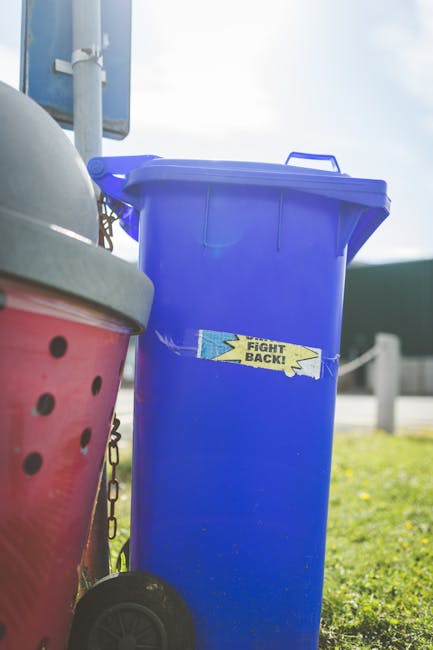
If you run a small business on the Isle of Dogs, rubbish has a way of becoming urgent at the worst possible moment. One busy week and suddenly the back room is full, bin lids won't shut, and the place starts feeling cluttered before the doors even open. That is where Isle of Dogs commercial rubbish collection for small businesses becomes more than a convenience. It keeps your workspace moving, protects your reputation, and helps you stay on the right side of local waste rules.
Whether you manage a cafe near the DLR, an office close to Canary Wharf, a salon, studio, or trade unit, the basics are the same: waste needs to be removed safely, regularly, and with as little disruption as possible. In this guide, we will break down how the service works, what it is good for, the common mistakes to avoid, and how to choose an approach that actually fits a small business budget. Let's face it, nobody wants rubbish becoming part of the interior design.
To make things easier, the article also covers compliance, practical examples, a comparison table, and a checklist you can use straight away. If you want a broader look at related waste services, the page for business waste removal is a useful place to start.
Why Isle of Dogs commercial rubbish collection for small businesses Matters
The Isle of Dogs is a compact, busy part of east London, and that brings a particular kind of waste challenge. Space is tight. Access can be awkward. Deliveries, customer traffic, and bin collections all compete for the same few square metres. If you are a small business, even a modest amount of waste can become a practical headache very quickly.
This matters for three reasons. First, waste builds up faster than many owners expect, especially in businesses with packaging, food prep, refurb work, or high staff turnover. Second, poor waste handling can make a business look untidy and unprofessional. Third, commercial waste has to be handled properly; throwing it into domestic bins or leaving it out in the wrong place can cause avoidable problems.
In our experience, small businesses rarely need the most complicated waste solution. They need one that is dependable, tidy, and easy to schedule around the day-to-day rhythm of the business. That might sound simple, but when a refuse area smells wrong on a warm afternoon or a pile of cardboard starts squeezing the staff kitchen, simple is exactly what you want.
For businesses that generate mixed waste, packaging, old office items, or bulky materials, a service such as waste removal can keep things under control without turning rubbish into a weekly drama.
Expert summary: For Isle of Dogs small businesses, reliable rubbish collection is less about "getting rid of junk" and more about protecting space, presentation, compliance, and daily workflow. The best setup is the one that stays invisible until you need it.
How Isle of Dogs commercial rubbish collection for small businesses Works
At a practical level, commercial rubbish collection is usually straightforward. You identify the waste stream, agree how often collection is needed, and set up a removal routine that fits the business. The exact method depends on the type and volume of waste, but the process usually follows a familiar pattern.
Typical collection flow
- Waste is identified - for example general waste, cardboard, office clutter, broken furniture, packaging, or mixed commercial rubbish.
- Collection needs are assessed - one-off clearance, regular pickups, or something in between.
- Access is planned - this matters on the Isle of Dogs, where loading points, narrow access, lifts, and building rules can affect timing.
- Items are removed safely - ideally without blocking entrances, disrupting customers, or leaving a mess behind.
- Waste is sorted and handled appropriately - reusable, recyclable, and non-recyclable materials should be separated where possible.
Some businesses need a scheduled collection every week or every few days. Others only need a one-off clearance after a refit, seasonal stock change, or office tidy-up. If a business changes hands, downsizes, or moves out, a broader office clearance service may be the better fit, especially when desks, chairs, filing cabinets, and mixed office waste all need removing in one go.
You will usually notice that the smoother jobs have one thing in common: the business owner or manager has already decided what needs to go. That saves time. It also avoids the classic "while you're here, can you take this too?" moment that turns a quick job into a longer one. Happens all the time, honestly.
Key Benefits and Practical Advantages
For small businesses, the benefits of organised rubbish collection are practical before they are anything else. Yes, it helps the place look better. But the real value is in all the small operational wins that stack up over time.
1. Better use of limited space
On the Isle of Dogs, usable space is precious. Waste taking up a storage corner, back office, or service corridor quickly becomes a problem. Regular collection returns that space to something productive.
2. Cleaner customer impression
Customers may not consciously analyse your waste system, but they absolutely notice if the entrance smells off or cardboard is leaning against the wall. A clean environment feels calmer, more reliable, and more professional.
3. Reduced staff friction
When rubbish has nowhere to go, staff start improvising. That usually means bags tucked in corners or boxes stacked in awkward places. A proper collection arrangement makes life easier for the whole team.
4. Lower risk of pest or odour issues
This is especially relevant for food businesses, but it applies more widely than people think. Waste left too long can create odour, hygiene, and pest concerns. Even a few missed collections can change the feel of a workplace.
5. Easier compliance
Commercial waste has to be dealt with in a way that is lawful and traceable. A proper service helps businesses avoid the messy grey area of "we'll sort it out later." Later usually becomes expensive.
6. More flexible than people expect
Depending on the type of waste, collection can often be arranged in a way that suits your operating hours, peak times, or property access rules. That flexibility matters in a busy mixed-use area like the Isle of Dogs.
| Benefit | Why it matters for small businesses | Typical practical result |
|---|---|---|
| Space recovery | Less clutter in back-of-house areas | More room for stock, equipment, or staff movement |
| Cleaner presentation | Customers and clients see a tidier business | Better first impression and lower distraction |
| Operational ease | Waste does not interrupt day-to-day work | Staff spend less time moving bags or boxes around |
| Compliance support | Commercial waste is handled appropriately | Less risk of avoidable breaches or complaints |
Who This Is For and When It Makes Sense
This service is not just for large offices or construction firms. In fact, some of the most common users are small businesses that generate regular, moderate waste but do not have the volume or budget for a heavyweight solution.
It often makes sense for:
- Cafes, takeaways, and small food businesses dealing with packaging, food waste, and supply deliveries
- Offices and coworking spaces with paper, packaging, broken furniture, or end-of-lease clutter
- Retail shops handling stock packaging, damaged items, and seasonal clear-outs
- Salons, clinics, and studios needing regular tidy removal of mixed non-hazardous waste
- Trades and local contractors who need building-related waste cleared from short-duration jobs
- Landlords and property managers dealing with end-of-tenancy rubbish or abandoned items
It also makes sense when you have a one-off event, a refit, or an unusually busy trading period. Some businesses only need help after inventory changes, office reconfigurations, or a move. Others need a weekly rhythm because the waste never really stops. That is fine. Different businesses, different mess.
If your waste is mainly furniture, fixtures, or bulky items rather than bagged rubbish, a targeted service like furniture disposal may be more efficient than a generic collection.
Step-by-Step Guidance
Here is a sensible way to approach commercial rubbish collection without overcomplicating things.
Step 1: Identify the waste you actually produce
Do a quick walkthrough during a normal working day. What fills up first? Cardboard? Food packaging? Office waste? Old fixtures? Be specific. Vague waste plans tend to fail.
Step 2: Separate regular waste from bulky or occasional waste
Weekly general waste is not the same as a one-off clear-out after a refit. Keeping them separate makes planning easier and usually helps control costs.
Step 3: Check access and collection constraints
Is there lift access? Narrow service corridors? Limited parking? Restricted hours? On the Isle of Dogs, logistics matter. A collection can go smoothly or awkwardly depending on these details.
Step 4: Decide how often waste should be removed
For some businesses, once a week is enough. For others, especially food-facing premises or stock-heavy operations, it may need to be more frequent. The right answer is the one that prevents build-up, not the one that sounds cheapest on paper.
Step 5: Prepare the waste properly
Bag loose waste. Flatten cardboard if possible. Keep sharp or awkward items separate if they are being collected. Small effort, noticeable difference.
Step 6: Confirm what can and cannot be taken
Not all waste types are handled in the same way. Hazardous, confidential, or specialist waste needs separate attention. If in doubt, ask before collection day rather than after. That avoids the awkward "oh, that one?" conversation.
Step 7: Build the service into your routine
The best waste systems are the ones people barely think about. Put collection on the calendar, assign responsibility internally, and review it every few months. Business changes. Waste changes with it.
Expert Tips for Better Results
There are a few small habits that make commercial rubbish collection far more effective. None are dramatic. All of them save time.
- Measure waste by reality, not guesswork. A service that works in winter might be too small in summer or before Christmas.
- Keep a simple waste log. Even a basic note of what gets collected and when helps spot patterns.
- Train staff on sorting. If everyone knows where cardboard goes and where mixed waste goes, the system holds together better.
- Watch for repeat offenders. One broken shelf, one overflowing box corner, one forgotten delivery pallet. That is usually where the clutter starts.
- Ask about recycling separation. Many businesses can improve their waste stream just by separating cardboard, recyclable packaging, and general rubbish more carefully.
- Plan around busy days. A Friday evening collection might suit a retail site, while a morning pickup may work better for an office. Timing really does matter.
Sometimes the biggest improvement is not a new service at all. It is better timing and a bit of discipline. Slightly boring, yes. Also effective. Which is the point.
Common Mistakes to Avoid
Small businesses often make the same few mistakes with waste. They are understandable, but they cost time and create hassle.
Using domestic bins for business waste
This is a common shortcut and not a good one. Commercial waste should be managed as commercial waste. Mixing it into household systems can create problems and may not be appropriate.
Waiting until the space is already full
Once rubbish starts blocking the back room, the business is already paying for it in lost space and extra stress. Do not wait for the pile to make the decision for you.
Forgetting bulky items
Chairs, counters, shelves, packaging pallets, and broken fixtures need a different plan from bin bags. If you ignore them, they sit there. Quietly becoming part of the furniture, unfortunately.
Not checking building rules
Some premises have strict loading times, access rules, or storage limits. Ignoring them creates friction with landlords, building managers, or neighbours.
Choosing a service only on price
Low price sounds attractive, but poor reliability can be more expensive in the long run. A missed collection can throw off a whole week's workflow.
Not separating recyclable materials
Cardboard and packaging waste are often easier to handle when they are kept apart from general rubbish. Mixing them all together usually creates avoidable inefficiency.
Tools, Resources and Recommendations
You do not need complicated systems. A few practical tools go a long way.
- Waste containers that match the waste stream - keep general waste, cardboard, and bulky items separate where possible.
- A simple internal checklist - useful for opening and closing routines.
- A calendar reminder - ideal for recurring collections, especially if the business has seasonal peaks.
- Labelled storage areas - helpful in shared premises where multiple people handle waste.
- Photographs before clearance - useful if you need to show what was removed, especially during handover or fit-out work.
If your business generates a lot of cardboard or packaging, the sustainability angle is worth a look too. The page on recycling and sustainability is a good companion read if you want to reduce waste and improve sorting habits.
For businesses comparing costs, the pricing and quotes page can help frame the questions you should ask before booking anything. Not all quote requests are equal, and a clear brief usually saves money in the end.
Law, Compliance, Standards, or Best Practice
Commercial waste in the UK has to be handled properly, and businesses are generally expected to keep it separate from household waste. The exact responsibilities depend on the type of business, the waste produced, and how it is stored and removed. Because this can vary, it is wise to treat compliance as a working part of your operations rather than an afterthought.
Best practice usually includes:
- keeping commercial waste separate from domestic waste
- using a reputable collection arrangement for business rubbish
- sorting recyclable materials where practical
- storing waste safely and tidily before collection
- making sure staff know what can and cannot go into each container
Health and safety matters too. Bags can be heavy, boxes awkward, and sharp objects easy to miss. If people are lifting waste through tight corridors or service areas, safe handling matters. The page on health and safety policy gives a sense of the standards that should sit behind any serious clearance work.
Insurance is another sensible consideration, especially if removal involves common areas, stairwells, loading bays, or access through shared buildings. A business should feel confident that the collection process is controlled and covered appropriately. You do not want a simple waste job turning into a shared corridor problem on a wet Tuesday morning.
If you are unsure what your waste stream needs, ask for clarification before booking. Straight answers are better than assumptions. Every time.
Options, Methods, or Comparison Table
There is no single right way to manage business rubbish on the Isle of Dogs. The right choice depends on volume, timing, access, and the kind of waste you produce.
| Option | Best for | Strengths | Limitations |
|---|---|---|---|
| Regular commercial rubbish collection | Ongoing waste from shops, offices, cafes, and studios | Reliable, predictable, easy to build into routine | May not suit one-off bulky clearances |
| One-off waste removal | Moves, refits, seasonal clear-outs, or sudden overflow | Flexible and fast for short-term needs | Not ideal for constant recurring waste |
| Mixed waste clearance | Businesses with varied rubbish types | Convenient when waste is not neatly categorised | Sorting may be less efficient than separated streams |
| Bulky item removal | Furniture, shelving, counters, and large unwanted items | Good for awkward loads and limited access sites | Not a full solution for everyday bagged waste |
For some businesses, the best solution is a blend. For example, a small office might use regular collections for day-to-day waste and a separate clearance service for old desks or filing units. That is often the most sensible route, because no single method handles every mess equally well.
Case Study or Real-World Example
Here is a realistic scenario. A small design studio on the Isle of Dogs starts the year tidy enough, but by late spring it has accumulated packaging from equipment deliveries, old chairs, sample materials, and a growing pile of cardboard. The team keeps moving things "out of the way," which is usually code for "we will deal with it later."
Then a client visit gets scheduled. Now the clutter is hard to ignore. Staff need the reception area clear, the back room has become cramped, and the old chair stack suddenly looks twice as large as it did last week. So they organise a collection that separates cardboard from bulky items, plan access for the building, and clear the main problem areas in one visit.
The result is not glamorous, but it is immediate. More room, less visual noise, easier cleaning, and a calmer working environment. That is the real story with commercial rubbish collection for small businesses. It rarely feels dramatic when done well. It just makes the business easier to run.
If the clearance is tied to an office refresh, combining rubbish removal with a focused office clearance can simplify the whole job and reduce repeat handling.
Practical Checklist
Use this before arranging or reviewing your rubbish collection setup.
- Do we know exactly what type of waste we produce?
- Are we separating cardboard, general waste, and bulky items?
- Do we have enough storage space before collection day?
- Is access clear for the collection team?
- Have staff been told what goes where?
- Do we need regular collection or a one-off service?
- Are any items restricted, fragile, or requiring special handling?
- Have we checked building rules, loading restrictions, or quiet hours?
- Do we understand the likely quote structure before booking?
- Are we keeping a simple record of what gets removed?
If you can tick most of those off, you are in a much better place than many small businesses. It does not need to be perfect. Just organised enough that rubbish stops dictating the day.
Conclusion
For small businesses on the Isle of Dogs, commercial rubbish collection is really about control. Control over space, tidiness, compliance, and the daily flow of work. When the service is set up properly, it fades into the background and does its job quietly. That is exactly how it should be.
The best approach is usually the one that matches your real waste pattern, not the one that sounds neat in theory. A cafe, a studio, an office, and a trade-based business will all need slightly different arrangements. Once you accept that, the decision gets much easier.
If you are still weighing up options, start with what you throw away, how often it builds up, and how much disruption you can tolerate. From there, it becomes a practical choice rather than a guess. And that is a relief, truth be told.
Get a free quote today and see how much you can save.
Frequently Asked Questions
What counts as commercial rubbish for a small business?
Commercial rubbish usually includes waste produced by a business rather than a household. That can mean packaging, paper, office clutter, broken furniture, stock waste, or general non-hazardous rubbish from day-to-day operations.
How often should a small business arrange rubbish collection?
It depends on how quickly the waste builds up. Some businesses only need a weekly collection, while food-facing or stock-heavy premises may need something more frequent. The right schedule is the one that prevents overflow and keeps the space workable.
Can small businesses on the Isle of Dogs use one-off collection instead of a regular contract?
Yes, absolutely. If your waste is occasional, seasonal, or tied to a clearance or refit, a one-off collection may be more sensible than an ongoing arrangement.
What types of waste are usually collected?
Common examples include mixed business rubbish, cardboard, packaging, office waste, old furniture, and general bulky items. Some waste types may need separate handling, so it is worth checking before collection day.
Is commercial rubbish collection better than using a skip?
It depends on the job. For awkward access, smaller volumes, or a need for fast removal, collection can be more convenient. For larger refurbishment projects, a skip may suit some situations better. Access and permit rules can also influence the choice.
How do I know if my business needs a clearance service rather than standard waste collection?
If you are clearing multiple bulky items, a stockroom, office, or end-of-lease space, a clearance service is often more appropriate than routine collection. Standard collection suits ongoing everyday waste; clearance suits bigger tidy-up jobs.
What should I do before the collection team arrives?
Separate waste types if possible, keep access clear, flatten cardboard, and make sure anything fragile, sharp, or restricted is identified in advance. A few minutes of prep can save a lot of time later.
Are there compliance issues for commercial waste in the UK?
Yes. Businesses are expected to handle commercial waste properly, keep it separate from household waste, and manage it safely. The exact duties can vary, so it is sensible to treat compliance as part of normal business operations.
What if my business has very limited storage space?
That is common on the Isle of Dogs. In tight premises, more frequent collections or smaller, better-organised waste storage can make a big difference. The aim is to stop waste from crowding the working area in the first place.
Can recyclable materials be collected with general rubbish?
They can often be collected, but it is usually better to separate recyclables where practical. Cardboard and packaging often benefit from being kept apart, both for efficiency and for sustainability reasons.
How do I compare quotes without getting caught out?
Compare what is included, not just the headline price. Look at access assumptions, waste type, labour, timing, and any extra charges that might apply. Clear information upfront is usually the cheapest option in the long run.
What is the biggest mistake small businesses make with waste?
The most common mistake is waiting until waste becomes visible chaos before acting. By the time rubbish is overflowing or blocking access, the business has already lost space, time, and probably a bit of patience too.