Victoria Park garage clearance: swift local rubbish teams
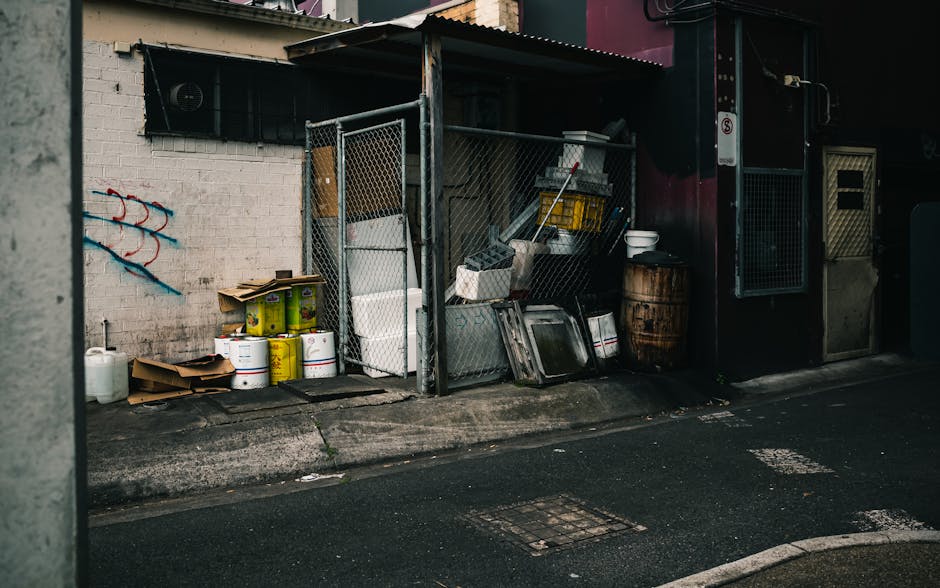
If your garage in Victoria Park has turned into the place where "I'll deal with that later" goes to live, you're not alone. Bikes with flat tyres, old paint tins, broken shelving, mystery boxes, a damp rug that should have left years ago - it all piles up faster than people expect. A good Victoria Park garage clearance: swift local rubbish teams service helps you get that space back without turning your weekend into a muddy, stressful lifting session.
This guide explains how garage clearance works, who it suits, what to expect from a local rubbish team, and how to avoid the usual headaches. You'll also find practical tips, a comparison of options, a simple checklist, and a few trust points that matter when you're choosing a service in East London. Let's face it, a garage is rarely just a garage. It is often a storage room, a utility space, and a catch-all for everything that didn't have a proper home.
Table of Contents
- Why Victoria Park garage clearance: swift local rubbish teams Matters
- How Victoria Park garage clearance: swift local rubbish teams Works
- Key Benefits and Practical Advantages
- Who This Is For and When It Makes Sense
- Step-by-Step Guidance
- Expert Tips for Better Results
- Common Mistakes to Avoid
- Tools, Resources and Recommendations
- Law, Compliance, Standards, or Best Practice
- Options, Methods, or Comparison Table
- Case Study or Real-World Example
- Practical Checklist
- Conclusion
- Frequently Asked Questions
Why Victoria Park garage clearance: swift local rubbish teams Matters
Garage clearance matters because a garage often becomes the most awkward storage area in the home. It is usually colder, dustier, and harder to organise than a spare room, and once it fills up, everything becomes harder to access. A local team that works swiftly can make a surprising difference, especially if you want the job done before a delivery arrives, a house move, or a fresh home project.
In Victoria Park, speed and local knowledge are especially useful. Parking can be tight, streets can be busy, and access may be awkward if you are dealing with a narrow passage, a shared drive, or a garage tucked behind a terrace. A rubbish team that knows the area can plan a collection with less faff. That means fewer delays, less back-and-forth, and a cleaner finish.
There is also the practical side: garage contents can include mixed waste, bulky items, and things that should not just be dragged out and dumped. Old solvents, electricals, metal shelving, timber, cardboard, and broken furniture all need handling differently. A proper clearance service helps sort that responsibly rather than leaving you with a pile on the curb and a vague hope for the best. Not ideal.
If your project involves other areas of the property as well, it may help to look at related services such as home clearance, house clearance, or loft clearance where a broader clean-out is needed. Sometimes the garage is only the start.
How Victoria Park garage clearance: swift local rubbish teams Works
Most garage clearance jobs follow a straightforward pattern, though the details can vary depending on the amount and type of waste. First, you explain what needs removing. That might be a few heavy items, a full garage clear-out, or a mix of rubbish and reusable goods. Good teams will ask enough questions to understand access, item types, and whether any materials need special care.
After that comes the quote or estimate. For many customers, this is based on the volume of waste, the labour involved, and any special handling needed. If a garage is full from floor to ceiling, the team may need a bit more time. If there are awkward items like old freezers, paint, or dismantled units, they may explain how those affect the work. You want clarity here, not vague promises and a surprise at the end.
On the day, the team usually arrives, checks access, confirms the load, and gets to work. A good rubbish team will protect pathways where needed, lift safely, and separate items for recycling, reuse, or disposal. If you have already sorted items into keep, donate, and remove piles, things move even faster. If not, they can often help you make the final call on the spot.
Many people appreciate the simplicity: one visit, one team, one cleared space. That is the appeal. And if you want to see how a dedicated service is presented more broadly, the main garage clearance page is a useful place to start.
Key Benefits and Practical Advantages
A swift local service brings more than convenience. In real life, the biggest benefit is momentum. Once the garage is cleared, people tend to keep it clear for longer because they can actually use it again. You stop stepping around boxes and start thinking about storage that makes sense.
Here are the main advantages people usually notice first:
- Faster turnaround: useful if you are preparing for a move, renovation, or garden project.
- Less heavy lifting: helpful for older homeowners, busy families, or anyone with back issues.
- Cleaner finish: the job is completed in one go rather than becoming a slow DIY slog.
- Better sorting: reusable items, recycling, and waste can be separated more sensibly.
- Local practicality: nearby teams understand the traffic, parking, and access quirks of the area.
There is also a mental benefit, which is easy to underestimate. A cluttered garage can quietly create stress. Every time you open the door and see the mess, it nags at you. Get it sorted, and the relief is immediate. It sounds simple, but it really does change how a home feels.
Where the job includes bulky furniture, it can be useful to compare related services such as furniture clearance and furniture disposal. If your garage contains old sofas, cabinets, or shelving units, those pages help explain what can be taken and how it may be handled.
Who This Is For and When It Makes Sense
Garage clearance is not just for people who have "let things go." Truth be told, garages fill up for very ordinary reasons. A few years of family life, a home move, a renovation, a burst pipe, or a hobby that outgrew the shed can all leave a space packed to the rafters.
This kind of service makes sense if you are:
- preparing to sell or rent a property
- trying to create secure parking space again
- renovating the garage into a gym, office, studio, or utility room
- clearing inherited items after a family property change
- removing builders' leftovers after home improvements
- dealing with bulky waste that is awkward to move yourself
It also suits people who are short on time. If you work long hours, have children, or simply do not want a Saturday ruined by dust, rust, and scratched knuckles, a local rubbish team can save a lot of hassle. There's no need to turn it into a personal endurance test.
If the garage contents overlap with business stock, archived materials, or workspace clutter, business waste removal or office clearance may also be relevant. Not every cluttered garage is just a household issue.
Step-by-Step Guidance
Clearing a garage works best when you approach it in a sensible order. Rushing can make the space feel emptier for a day, but it often leads to re-clutter and missed items. A bit of structure goes a long way.
- Decide what stays, goes, and needs checking. Place items into keep, remove, sell, donate, and unsure piles.
- Identify anything hazardous. Paint, solvents, batteries, gas canisters, and certain electricals may need special attention.
- Clear access first. Make sure the team can reach the heaviest items without shuffling everything three times.
- Confirm what the team is taking. A quick review before collection avoids confusion later.
- Allow for sorting on site. Good teams can separate recyclable materials and bulky waste as they work.
- Do a final walk-through. Check shelves, corners, and behind doors. The tiny stuff is what gets missed.
If your garage adjoins the garden or includes outdoor clutter, a broader sweep might involve garden clearance too. It is common for both spaces to be tangled together, especially after a long winter or a DIY season that got out of hand.
A small but helpful tip: take one quick photo of the garage before the team arrives. Not for social media, obviously. It helps you remember what was there, which can be useful if you are sorting items with another family member or deciding whether anything should be kept aside.
Expert Tips for Better Results
To get the best result from a garage clearance, it helps to think like a practical organiser rather than a last-minute sorter. A few small decisions before the team arrives can save time and money.
- Bundle similar items together. Cardboard with cardboard, metal with metal, timber together where safe.
- Keep documents and sentimental items separate. Old garages have a habit of hiding paperwork you may still need.
- Break down light flat-pack furniture if possible. It makes collection quicker and tidier.
- Be honest about the volume. Underestimating the load often causes delays or a second visit.
- Ask about recycling routes. Responsible teams should be able to explain how items are handled.
One practical observation from real-life clearances: the heavier the clutter looks, the more likely there are hidden spaces worth checking. Behind a workbench, under a tarp, or stacked in an old box, there is often one last useful item. A toolbox lid. A charger. A spare key. You know the sort of thing.
If you want reassurance on how waste is handled, the site's recycling and sustainability page is worth reading. It is the kind of detail that matters when you want a clearance to be efficient without being careless.
Common Mistakes to Avoid
The most common mistake is assuming the job is simpler than it looks. A garage can go from "just a few bits" to a full skip-load very quickly. Another classic mistake is mixing valuable items with rubbish and discovering the loss later. Been there? Plenty of people have.
Watch out for these issues:
- Leaving sorting until the team arrives. This slows everything down, especially if the garage is tight.
- Not checking for hazardous materials. Some items need special handling and should not be treated as normal rubbish.
- Blocking access. If the team cannot get near the garage, the clearance becomes harder and slower.
- Forgetting about reuse or donation. Some items are still usable and should not be thrown away casually.
- Choosing a service only on speed. Fast is good, but not if it comes without proper care or clarity.
A quieter mistake is leaving the garage half-cleared for weeks after the first stage. That often leads to a second mess. If you are going to do it, finish it. Not perfectly, just fully enough to reset the space.
Tools, Resources and Recommendations
You do not need much to prepare for garage clearance, but a few simple tools can make the process smoother. For the homeowner, the goal is not to do all the labour yourself. It is to make the team's job efficient and reduce confusion.
| Tool or Resource | Why It Helps | Best Used For |
|---|---|---|
| Heavy-duty bin bags | Useful for loose small waste and mixed items | Light rubbish, packaging, broken odds and ends |
| Marker pen and labels | Makes keep/remove decisions clearer | Sorting before the team arrives |
| Gloves | Protects hands from dust, sharp edges, and grime | Any pre-clearance sorting |
| Phone camera | Helps you track what was in the garage and what was moved | Before-and-after checks |
| Clear path lighting | Helps avoid trips and missed corners | Dark garages or evening appointments |
For practical next steps, the service pages around waste removal and builders waste clearance can help if your garage includes renovation debris, timber offcuts, plasterboard, or mixed rubble. That kind of waste often sits right on the edge between household clutter and building waste, so it pays to be clear.
If pricing is on your mind, have a look at pricing and quotes. Transparent estimates make the whole process calmer. And calmer is good.
Law, Compliance, Standards, or Best Practice
For garage clearance, the main compliance concern is proper waste handling. In the UK, waste should be managed responsibly, and carriers should deal with it in line with accepted industry practice. You do not need to become a legal expert to book a clearance, but it does help to choose a team that takes duty of care seriously.
That means asking sensible questions:
- Will the waste be sorted where practical?
- How are recyclable items separated?
- Are potentially hazardous items handled carefully?
- Can the team explain how they approach safety on site?
If a garage contains old electricals, paints, or unknown containers, do not assume they can all be treated the same way. Some items need extra caution, and a responsible team should say so. If you want to understand how a company thinks about responsibility and site safety, the health and safety policy and insurance and safety pages are useful trust signals.
It is also fair to look for clear terms and conditions, because clarity matters when you are arranging a collection in a busy London neighbourhood. The point is not to overcomplicate things. It is simply to make sure the service is run properly and that everyone knows where they stand.
Options, Methods, or Comparison Table
There are a few ways to clear a garage, and the right choice depends on time, volume, and how much lifting you want to do yourself. Here is a simple comparison.
| Method | Best For | Pros | Limitations |
|---|---|---|---|
| DIY clear-out | Small amounts of light waste | Low direct cost, full control | Time-consuming, hard work, disposal logistics |
| Skip hire | Larger mixed loads over several days | Flexible if you want time to sort | Space needed, permit issues, loading yourself |
| Swift local rubbish team | Fast garage clearances, bulky items, awkward access | Quick, labour included, little disruption | May cost more than doing it yourself, depending on volume |
For many Victoria Park households, a swift local team is the most balanced option. It suits busy streets, limited parking, and situations where you want the work done in one visit. If the garage is only part of a bigger project, you might also compare flat clearance or furniture disposal to see what combination of services makes sense.
Skip hire can work well for ongoing DIY projects, but it asks more of you. You are loading the waste, managing the space, and making sure nothing unsuitable goes in. A local rubbish team is usually easier when life is already busy. And, honestly, that is most of us.
Case Study or Real-World Example
Imagine a Victorian terrace near Victoria Park with a single garage behind the property. Over the years it has become a storage room for old bikes, a broken treadmill, several cardboard boxes, and a handful of wood offcuts from a bathroom refit. There is also a dusty cabinet that nobody quite remembers buying. The owner needs the space cleared before a new car arrives in the coming week.
In that situation, a swift local rubbish team would usually begin with an access check, then remove the bulky items first. The treadmill goes out in one piece if possible; the cabinet is assessed for reuse or dismantling; the wood and mixed waste are separated as far as practical. The garage is then swept through, with corners checked for smaller items and loose debris. It is not glamorous work, but it is effective.
The key advantage here is timing. Instead of spending two or three weekends sorting, hiring transport, and finding disposal options, the homeowner gets the garage back quickly. That means the car can be parked securely, or the space can be used for something better. A home gym, perhaps. Or just a place where you can find the drill when you need it. Luxury.
In more complex cases, the clearance may also overlap with a broader household clean-up, and that is where house clearance or home clearance can come into play. The important thing is matching the service to the scale of the job, not forcing a one-size-fits-all answer.
Practical Checklist
Use this checklist before your garage clearance appointment. It keeps things calm and avoids last-minute shuffling.
- Confirm access: gates, keys, parking, and any narrow entrances.
- Identify hazardous items: paints, oils, aerosols, batteries, or unknown chemicals.
- Separate keeps from removes: especially documents, tools, and sentimental items.
- Take quick photos: useful for reference and peace of mind.
- Check if items can be reused: furniture, equipment, or shelving may not need disposal.
- Make sure the route is clear: hallways, side passages, and driveway access.
- Ask about recycling: a responsible team should explain their process clearly.
- Read the quote carefully: know what is included before the team arrives.
- Keep payment details secure: it is sensible to check the company's payment and security information first.
- Do one final sweep: check shelves, under benches, and behind stored items.
For some readers, the only remaining question is whether the service is trustworthy and easy to contact. That is fair. A company's about us and contact us pages can help you decide whether they feel like the right fit. If you value clear communication, that matters just as much as the clearance itself.
Conclusion
Victoria Park garage clearance does not need to be a drawn-out, exhausting project. With swift local rubbish teams, you can clear bulky waste, reclaim usable space, and avoid the slow drag of doing everything yourself. The best results usually come from a simple approach: sort what you can, be clear about what needs removing, and choose a team that works safely, responsibly, and without drama.
In a neighbourhood like Victoria Park, where space is precious and time is often tighter than you would like, that kind of practical service is genuinely useful. It gives you back the room, the order, and a little bit of breathing space too. Sometimes that's the real win.
Get a free quote today and see how much you can save.
Frequently Asked Questions
How long does a garage clearance usually take in Victoria Park?
The time depends on how full the garage is, what type of waste is inside, and how easy it is to access. A lightly filled garage may take a short visit, while a packed space with bulky items can take much longer. A good local team will normally ask enough questions upfront to give you a realistic idea.
What items can be removed from a garage?
Most general household rubbish, bulky waste, old furniture, shelving, cardboard, tools, and mixed clutter can usually be removed. Some hazardous items may need separate handling, so it is always best to mention paints, solvents, batteries, or anything unknown when you request a quote.
Do I need to sort everything before the team arrives?
No, not usually. It helps if you separate items you want to keep, but the clearance team can often sort and lift the rest for you. That said, a little pre-sorting makes the job faster and can reduce confusion, especially if the garage is tight or full of mixed items.
Is garage clearance better than skip hire?
It depends on the job. Skip hire works well if you want time to fill the skip yourself and have space for it. A swift local rubbish team is often better if you want the lifting, loading, and disposal handled for you in one visit. For many busy households, that is the simpler option.
What if my garage contains old paint or chemicals?
Tell the team in advance. Some materials need special care and cannot simply be treated as ordinary rubbish. A responsible service should explain how it handles potentially hazardous items and may advise you if something needs different treatment.
Can garage clearance include recycling?
Yes, in many cases. Recyclable materials such as metal, cardboard, and some electricals can often be separated where appropriate. If recycling matters to you, ask how the team handles waste and check their sustainability information before booking.
How much does a garage clearance cost?
Costs usually depend on volume, labour, access, and waste type. It is better to ask for a clear quote than to guess. If you want a clearer idea of how quotes are structured, the site's pricing page is a sensible place to start.
Can you clear a garage that is hard to access?
Often, yes. Local teams are usually used to awkward access, narrow entrances, and tight residential streets. It helps to mention any barriers early, such as steps, low ceilings, shared access, or limited parking, so the team can plan properly.
What should I keep out of the clearance pile?
Keep personal documents, passports, keys, medication, and anything sentimental separate. It is also wise to hold back items you are unsure about until you have checked them. Once a mixed pile is loaded, it is difficult to retrieve things later.
How do I choose a trustworthy rubbish team?
Look for clear communication, sensible pricing, safety information, and a straightforward quote process. It also helps if the company provides useful service pages, explains how waste is handled, and gives you confidence that they are properly organised rather than just fast.
Can garage clearance be combined with other property clearance services?
Absolutely. Many people combine garage work with home, house, loft, or furniture clearance when they are doing a wider declutter. If you are clearing several areas at once, ask for a joined-up plan so the work is handled efficiently and nothing gets missed.
What should I do after the garage is cleared?
Start with the basics: sweep the floor, check for damp or leaks, and think carefully about storage before you bring things back in. If you want the space to stay useful, add shelves, label boxes, and avoid putting everything back "temporarily." That temporary pile has a habit of becoming permanent, doesn't it?