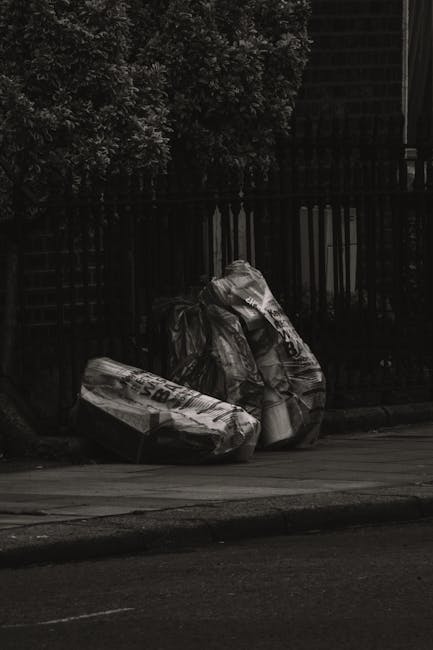
Wapping rubbish removal guide for narrow access homes
If you live in Wapping, you probably already know the trickiest part of rubbish removal is not the rubbish itself. It is the access. Narrow stairwells, tight hallways, shared entrances, awkward mews-style layouts, and parking that disappears the moment you need it can turn a simple clearance into a small logistical puzzle. This Wapping rubbish removal guide for narrow access homes is here to make that puzzle easier. It explains what works, what does not, and how to keep the process safe, tidy, and surprisingly manageable.
Whether you are clearing a flat, a compact terrace, a basement property, or a home with a long, awkward route to the road, the key is planning. A little of it goes a long way. In practice, the best results come from measuring properly, separating items early, and choosing a method that suits the building rather than forcing the building to suit the method.
Table of Contents
- Why narrow-access rubbish removal matters in Wapping
- How the removal process works in practice
- Key benefits and practical advantages
- Who this is for and when it makes sense
- Step-by-step guidance
- Expert tips for better results
- Common mistakes to avoid
- Tools, resources and recommendations
- Law, compliance and best practice
- Options and comparison table
- Case study or real-world example
- Practical checklist
- Conclusion
- Frequently asked questions
Why Wapping rubbish removal guide for narrow access homes Matters
Wapping has a very specific character. You get older housing stock, compact layouts, narrow corridors, and streets where loading can be awkward at the best of times. That matters because rubbish removal is rarely about simply carrying one item out the door. It is about moving items without damaging walls, upsetting neighbours, blocking common areas, or spending half the day wrestling a sofa through a staircase that was clearly not designed with modern furniture in mind.
In narrow access homes, even a routine clear-out can become risky if the plan is vague. A heavy wardrobe can snag a bannister. A broken appliance can scrape a painted wall. A heap of bagged waste can make a landing unsafe. And if you are trying to do it quickly on a busy day, the whole thing gets messier fast.
That is why a proper rubbish removal approach matters. It protects the property, saves time, and makes the work far less stressful. It also helps you decide whether a general waste collection, a home clearance, or a more targeted furniture disposal service is the right fit. If you are comparing options, it can help to look at general waste removal, home clearance, or even furniture disposal depending on what you are actually getting rid of.
Expert summary: In narrow-access homes, good rubbish removal is mostly about preparation. Measure first, protect surfaces, separate item types, and choose a removal method that respects the building layout. That is the difference between a calm job and a chaotic one.
How Wapping rubbish removal guide for narrow access homes Works
The process is usually simpler than people expect, but it does need structure. With narrow access, the job often starts before anyone lifts a single bin bag. You assess the property, identify the items, work out the route out, and decide how the waste will be moved without getting stuck halfway down the stairs. A good clearance team will also think about parking, nearby access points, and whether larger pieces need to be dismantled before removal.
For a small flat, rubbish may be moved in stages: loose waste first, then bagged items, then bulky pieces. In a basement home or top-floor property, the order might change depending on the staircase width and landing space. There is no one-size-fits-all method, which is why narrow access jobs tend to reward careful eyes and calm heads.
People often ask whether items can just be "taken out quickly." Sometimes yes. But with older Wapping properties, quick can turn clumsy if the team has not checked the route. A 10-minute plan can save 30 minutes of awkward carrying. Truth be told, this is where experience shows.
If the clearance includes mixed items, the team may sort them by type before loading. That makes sense for recycling, donation potential, and disposal accuracy. In some cases, especially after refurbishments, a property may need a focused builders waste clearance rather than ordinary household rubbish removal. Different waste types call for different handling, and that distinction matters.
Key Benefits and Practical Advantages
There are clear benefits to using a planned rubbish removal approach for narrow access homes. Some are obvious, others only become obvious after you have had a bad experience and promised yourself never again.
- Less risk of damage: careful movement protects paintwork, stair edges, door frames, and shared hallways.
- Faster clearing: when the route is understood, the job runs more smoothly and with fewer pauses.
- Better safety: clear walkways reduce trip hazards, especially in tight communal spaces.
- Cleaner finish: waste is removed without leaving debris scattered around the entrance or landing.
- Less neighbour disruption: good timing and tidy handling reduce friction in shared buildings.
- Smarter disposal choices: separating items can support recycling and reuse where suitable.
There is also a practical comfort factor. If you live in a compact home, clutter can feel louder than it looks. One broken chair by the door and suddenly the whole entrance feels cramped. Clearing it properly gives the room back to you. Not glamorous, perhaps, but very real.
For many households, the most useful benefit is simply not having to move heavy, awkward items twice. A professional or well-planned clearance is designed to minimise handling. That is especially helpful in narrow access homes where every extra turn, step, and corner slows things down.
Who This Is For and When It Makes Sense
This guide is for anyone in Wapping dealing with limited access and unwanted items. That could mean a tenant moving out of a flat, a homeowner clearing years of accumulated clutter, a landlord preparing for new occupants, or someone dealing with furniture that no longer fits the space.
It makes sense when:
- the stairwell is narrow or steep;
- items are bulky, heavy, or awkwardly shaped;
- parking is limited or loading is difficult;
- you share access with neighbours and need to keep things tidy;
- you have mixed waste and do not want to guess what goes where;
- the property is a flat, maisonette, basement, or older house with tight internal access.
It also makes sense if you are already juggling other jobs. Moving house is one. Renovating is another. Clearing a loft or garage can quickly snowball too. In those situations, a broader service such as flat clearance, house clearance, or loft clearance may be more useful than trying to manage disposal piecemeal.
And if the items are mostly old sofas, tables, beds, or wardrobes, the furniture route is often cleaner and simpler than handling them as general rubbish. That is where furniture clearance can make life a bit easier.
Step-by-Step Guidance
Here is a practical, no-nonsense way to approach rubbish removal in a narrow access home. Keep it simple. Overthinking helps less than people imagine.
- Walk the route first. Check doors, stairs, landings, corners, and any points where larger items might catch. If there is a tight bend, measure it. Guessing is how sofas end up wedged sideways like a bad joke.
- Sort the waste. Group items into bags, small loose items, recyclables, furniture, and anything that needs special handling. This makes the lifting and loading much cleaner.
- Clear the path. Remove shoes, plant pots, bikes, boxes, and anything else that slows movement. One little obstruction can create a surprisingly annoying bottleneck.
- Protect surfaces. Use covers where needed for floors, bannisters, and door edges. In a narrow hallway, every scrape seems louder than it should.
- Plan the carrying order. Bulky items may need to come out first or be dismantled in place. Smaller waste can sometimes be loaded around them.
- Check parking or loading access. If the property is on a busy street, plan where the vehicle will stop and how far the carry will be.
- Load systematically. Heavy items first, lighter bagged waste around them, and fragile or sharp items secured properly.
- Do a final sweep. Look for screws, splinters, packaging, and dust. A proper finish is part of the job, not a bonus.
If the job is more than a quick clear-out, a full home clearance approach can be better than trying to do it in bits and pieces over several weekends. That kind of staggered effort often drags on forever.
Expert Tips for Better Results
There are a few habits that consistently make narrow-access rubbish removal smoother. Nothing fancy, just the kind of practical details that save frustration later.
- Measure the narrowest point, not the widest. It sounds obvious, but people often measure the entrance and forget the stair turn or landing pinch point.
- Empty bulky items before moving them. A wardrobe with drawers, books, and random cables inside is heavier than it needs to be.
- Use smaller loads on stairs. Two lighter trips are usually better than one risky heavy one.
- Keep a clear staging point. A small area by the door or at the bottom of the stairs helps the job flow.
- Take care with communal areas. In shared buildings, leave the hall cleaner than you found it. Neighbours notice these things, quite rightly.
- Separate recyclable materials early. Cardboard, metal, and reusable furniture are easier to manage when sorted from the start.
One useful habit is to take a quick phone photo of the route before the work begins. It sounds almost too simple, but it can help you spot the awkward corner, the low ceiling section, or the shoe mountain near the front door. Small thing. Big difference.
If you are dealing with a property that also has post-renovation debris, you may need a mixed approach rather than a basic household collection. In that case, a service such as builders waste clearance can be more appropriate than standard rubbish removal.
Common Mistakes to Avoid
Most problems in narrow-access removals come from a few very ordinary mistakes. None of them are dramatic on their own, but together they can turn a simple job into a slog.
- Not measuring properly. This is the classic one. If the item cannot turn the corner, it cannot turn the corner.
- Leaving sorting until the last minute. Piles of mixed waste slow the whole process down.
- Ignoring parking or loading restrictions. In Wapping, this can add time and complication quickly.
- Trying to force oversized items through tight spaces. That is how walls get scuffed and tempers rise.
- Forgetting about neighbours and shared access. Communal hallways need care and a bit of courtesy.
- Assuming all waste can be treated the same way. Mixed waste, furniture, DIY debris, and garden waste each have different practical handling needs.
To be fair, most people are not trying to cut corners. They are just busy. But narrow-access homes are unforgiving if the plan is rushed. A few minutes of preparation really is worth it.
Tools, Resources and Recommendations
You do not need a truck full of equipment to manage a proper clear-out, but a few basic tools help a lot. For DIY handling, the useful kit is usually simple:
- strong rubble sacks or heavy-duty bin bags;
- work gloves with a decent grip;
- blankets or covers for bannisters and floors;
- tape or straps for bundling loose items;
- a tape measure for doors and stair turns;
- a torch for darker stairwells or loft areas;
- basic screwdrivers or a drill for dismantling furniture where suitable.
For service choices, the most relevant pages on this site are worth comparing before you decide. If your property is a compact flat, flat clearance may be the closest match. If you are stripping a room or several floors of clutter, house clearance or home clearance may be better. If the main issue is old seating or tables, furniture disposal can be the more direct option.
For anyone wanting to understand how costs are usually framed, the page on pricing and quotes is a sensible place to start. And if you are sorting out how items are handled after collection, the information on recycling and sustainability is especially useful.
Law, Compliance, Standards, or Best Practice
Rubbish removal in the UK is not just a practical task; it also comes with a duty of care. In plain English, that means waste should be handled, transferred, and disposed of properly, with care taken not to dump items illegally or leave them in a way that creates risk. If you are using a clearance service, it is sensible to ask how waste is sorted and where it goes. Good operators should be able to explain their process clearly.
For narrow-access homes, best practice also includes protecting shared property and keeping access routes clear. That matters in communal blocks, converted buildings, and older terraces where hallways are shared or tight. It is not just about avoiding damage. It is about respecting the building and everyone using it.
Health and safety is part of the picture too. Heavy lifting in a cramped stairwell is not something to improvise. If an item is too awkward, it may need to be dismantled, carried by two people, or removed by a more suitable route. A cautious approach is usually the right one. Nobody wins by taking a silly risk with a wardrobe and a bad angle.
If you want reassurance around business practices, it can also help to review a company's insurance and safety information, along with its health and safety policy. Those pages tell you something important about how seriously the provider treats awkward access work. For broader trust and company background, about us can also be helpful.
Options, Methods, or Comparison Table
There are a few sensible ways to handle rubbish removal in a narrow-access Wapping home. The best option depends on volume, item type, and how tight the building layout is. Here is a simple comparison to help you decide.
| Method | Best for | Strengths | Limitations |
|---|---|---|---|
| DIY disposal | Small amounts of bagged waste or easy-to-carry items | Flexible, low-cost, straightforward for minor clear-outs | Time-consuming, awkward in tight stairwells, more lifting risk |
| Targeted rubbish removal | Mixed household rubbish with manageable access | Efficient, practical, good for one-off jobs | Still needs good planning if access is very tight |
| Furniture-focused clearance | Sofas, beds, wardrobes, tables, and bulky items | Useful when heavy items are the main problem | May not suit mixed waste or construction debris |
| Full property clearance | End-of-tenancy, probate, hoarding, or major declutter jobs | Comprehensive, less stress for larger clear-outs | More planning required, especially in narrow access homes |
If the job mixes domestic clutter with waste from a workspace or small business, a more specific route such as business waste removal may be more suitable. Not everything belongs in the same bucket, however convenient that would be.
Case Study or Real-World Example
Here is a realistic example. A resident in a Wapping flat needs to clear an old sofa, a broken bookshelf, several bin bags of general clutter, and a few bits left over from a bedroom refresh. The hallway is narrow, the staircase has a sharp turn, and the front entrance opens onto a busy street.
The sensible approach is to measure the sofa before moving anything else, then check whether it can be carried upright or needs partial dismantling. The bookshelf is likely easiest to break down first. The bin bags can be staged by the door so they do not block the landing. If the stairwell is tight, one person leads while the other manages the turn, which avoids the classic "now pivot left, no, your left" problem. We have all seen that dance.
Once everything is out, the final sweep matters. Small screws, bits of wood, and dust can be left behind surprisingly easily in a hurry. A good finish means the route is clear again, the entrance is tidy, and the resident is not left feeling like they still live inside a removal job.
This is where the right service mix helps. If the sofa and bookshelf are the main items, furniture-specific support may be enough. If the property has a broader clear-out, a more general house clearance or home clearance approach may be cleaner and faster overall.
Practical Checklist
Use this checklist before collection day or before you start moving anything yourself.
- Measure the narrowest doorways, stair turns, and landings.
- Identify bulky items that may need dismantling.
- Separate rubbish, recyclables, furniture, and repairable items.
- Clear hallways, entrances, and shared access routes.
- Protect floors, corners, and bannisters where needed.
- Check parking or loading arrangements in advance.
- Confirm whether the waste includes any builders debris or mixed material.
- Keep valuables, documents, and personal items out of the clearance area.
- Plan for a final sweep once items are removed.
- Use a service that matches the actual job, not just the nearest available option.
If you are getting ready for a larger clear-out, it can be worth reading the details on pricing and quotes before you decide. Knowing the likely structure of the job helps avoid last-minute surprises. And those are nobody's favourite kind.
Get a free quote today and see how much you can save.
Conclusion
Narrow access does not have to make rubbish removal complicated. It just means the job needs a little more thought, a steadier pace, and a realistic view of the route from home to vehicle. In Wapping, that matters more than people expect because the buildings themselves often set the rules. Once you work with the space rather than against it, the whole process becomes much more manageable.
The main lesson is simple: measure carefully, sort early, protect the property, and choose the right type of clearance for the waste you have. Do that, and you will save time, reduce stress, and avoid the kind of awkward hallway moments that everyone remembers for the wrong reasons.
If you are planning a clear-out soon, a calm, prepared approach will get you much further than brute force. And honestly, that is usually the best way in a Wapping home. Steady wins here.
Frequently Asked Questions
What makes rubbish removal in Wapping narrow-access homes different?
The main difference is the layout. Narrow stairwells, small entrances, shared hallways, and limited parking make it harder to move waste safely. Planning and careful handling matter much more than in a standard property.
Can bulky furniture be removed from a tight flat?
Often yes, but it depends on the item size and the route out. Some furniture can be carried as is, while other pieces need partial dismantling to fit through doorways or stair turns. A quick measurement saves a lot of guesswork.
Is it better to use a full house clearance or a furniture-only service?
That depends on what you need removed. If you are mainly clearing sofas, beds, and tables, furniture-focused removal may be enough. If you have mixed items across several rooms, a broader house clearance or home clearance is usually more practical.
How do I know if my stairwell is too narrow for large items?
Measure the narrowest points, including corners and landings, not just the front door. If an item needs to rotate tightly or tilt sharply to pass through, it may need dismantling or specialist handling.
What should I do before rubbish removal day?
Sort items, clear access routes, remove fragile objects, and check parking or loading space. It is also a good idea to set aside anything you do not want taken by mistake. That happens more often than people like to admit.
Can builders waste be removed from a narrow-access home?
Yes, but it may require a more careful plan because rubble, broken materials, and mixed debris can be heavier and messier than household rubbish. In those situations, a builders waste clearance approach may fit better.
How do I avoid damage to walls and bannisters?
Use protective covers where needed, move items slowly, and avoid forcing anything through a gap that is too tight. A second person guiding the item around corners can make a big difference. Patience beats patching paintwork later.
What happens if I have mixed waste?
Mixed waste should be sorted as much as possible before removal. Furniture, general rubbish, cardboard, and DIY debris may all be handled differently. Better sorting helps with recycling and keeps the job more efficient.
Are there special considerations for flats and communal buildings?
Yes. You need to think about neighbours, shared hallways, lift access if available, and keeping common areas clear. It is sensible to leave entrances tidy and avoid blocking the route for others.
How can I make a narrow-access clearance faster?
Measure in advance, separate items by type, clear the route, and decide which items might need dismantling. The more prepared the space is, the faster the job usually goes. Simple, but true.
Where can I find information about safety and standards?
Useful starting points on this site include health and safety policy, insurance and safety, and recycling and sustainability. Those pages help you understand how a responsible clearance process should be handled.
How do I get a quote for narrow-access rubbish removal?
You can start by checking the service pages that best match your situation and then reviewing the information on pricing and quotes. Clear details about item type, volume, and access usually lead to a more accurate estimate.